
How Much Does Patio Pressure Washing Cost in the UK?
Patio pressure washing is one of the most effective ways to restore outdoor surfaces, removing moss, algae, black spots, dirt, and weather staining. In areas like Woolwich, where damp conditions and shade are common, patios often become slippery and discoloured faster than in drier regions.
But how much should you realistically expect to pay for professional patio pressure washing in the UK?
This guide breaks down average costs, pricing factors, differences, hidden charges, and DIY vs professional comparisons.
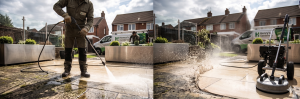
Why Patio Pressure Washing Is So Common?
Woolwich gardens often face conditions that accelerate patio deterioration:
- High moisture levels throughout the year
- Shaded areas from terraced housing and fences
- Limited airflow in enclosed gardens
- Organic debris from nearby trees and plants
- Freeze-thaw cycles in winter months
These conditions create:
- Slippery algae layers
- Black spot fungal staining
- Moss-filled joints between paving
- General dulling of stone or concrete
Because of this, many homeowners require annual or biannual professional cleaning to maintain safety and appearance.
What You Are Actually Paying for in Patio Cleaning
Many people assume they are simply paying for “water blasting,” but professional patio cleaning is more structured.
A full service typically includes:
- Site inspection and surface assessment
- Selection of correct pressure level (important for stone protection)
- Application of pre-treatment chemicals for algae or black spots
- Controlled pressure washing using commercial equipment
- Detailing edges, joints, and difficult areas
- Waste runoff management
- Optional post-treatment sealing or re-sanding
This means pricing reflects labour, equipment, expertise, and restoration quality—not just cleaning time.
Patio Pressure Washing Costs Explained
Instead of just listing numbers, it is more useful to understand how pricing is built. Most UK professionals price using a combination of:
- Square metre rate
- Minimum call-out fee
- Condition-based adjustments
- Add-on treatments
1. Base Cleaning Cost (Standard Condition)
For patios in reasonable condition:
- Light dirt and surface algae
- Minimal weed growth
Typical pricing structure:
- £3–£5 per m²
This covers basic pressure washing without heavy restoration work.
2. Deep Cleaning Cost (Most Common in Woolwich)
This applies to many local gardens where:
- Moss is established
- Slippery algae is present
- Paving joints are dirty or compacted
Why it costs more:
- Pre-treatment chemicals are required
- Multiple cleaning passes are needed
- More labour time is involved
Typical pricing:
- £5–£8 per m²
3. Restoration-Level Cleaning (Heavy Build-Up)
This is for neglected or long-untreated patios:
- Thick moss growth
- Black spot staining embedded in stone
- Uneven or discoloured surfaces
Additional work may include:
- Specialist chemical treatment cycles
- Steam cleaning or hot water systems
- Re-sanding block paving joints
- Surface sealing preparation
This is the most expensive category because it is closer to restoration than cleaning.
Why Prices Vary So Much in the UK (and Especially London)
Woolwich falls within Greater London, where pricing is typically higher due to:
- Higher labour and insurance costs
- Congestion and parking restrictions
- Increased travel time between jobs
- Strong demand for exterior cleaning services
- Higher business operating expenses
Even for identical patios, London pricing is often 10–25% higher than rural UK areas.
Key Factors That Increase Patio Cleaning Costs
1. Surface Material
Different materials require different handling:
- Concrete: easiest and cheapest
- Block paving: moderate difficulty (joint cleaning required)
- Sandstone: requires careful pressure control
- Limestone: more delicate, higher risk of etching
- Porcelain: easy to clean but requires streak-free finishing
Natural stone patios often cost more because incorrect pressure can permanently damage the surface.
2. Level of Biological Growth
Woolwich patios commonly develop:
- Green algae (slippery surface layer)
- Black spot fungus (deep staining)
- Moss in joints and shaded areas
The more established the growth, the more:
- Chemicals
- Time
- Water pressure control is required.
3. Access to the Garden
Costs increase when:
- Side access is narrow
- Equipment must be carried manually
- Water supply is limited
- Long hose runs are needed
Urban terraced properties in Woolwich often fall into this category.
4. Waste and Re-Sanding Requirements
Block paving patios often need:
- Joint re-sanding after cleaning
- Weed prevention treatments
- Additional sealing options
These are not always included in basic quotes.
DIY vs Professional Patio Pressure Washing
DIY Patio Cleaning
Many homeowners consider hiring or buying a pressure washer. Realistic DIY costs:
- Equipment hire: £30–£80 per day
- Cleaning chemicals: £10–£40
- Water and electricity usage: variable
Limitations:
- Inconsistent pressure control
- Risk of damaging pointing or stone surface
- No algae treatment (only surface cleaning)
- Time-consuming and physically demanding
DIY is best for:
- Light dirt removal
- Small patios
- Regular maintenance cleaning
Professional Patio Cleaning
Professional services include:
- Commercial-grade pressure systems
- Correct pressure calibration for each surface
- Chemical pre-treatment for regrowth prevention
- Faster and more consistent results
- Safer handling of delicate materials
You are paying for:
- Experience (avoiding surface damage)
- Equipment quality
- Efficiency (time savings)
- Longer-lasting results
Hidden Costs Homeowners Often Miss
Some quotes may not include:
- Black spot treatment chemicals
- Weed removal between slabs
- Joint re-sanding (block paving)
- Patio sealing (optional but recommended)
- Heavy stain removal (oil, rust, BBQ marks)
Always request a fully itemised quote.
Is Patio Pressure Washing Worth the Cost?
The answer is yes—especially when safety is considered. A neglected patio can become:
- Extremely slippery in wet weather
- Visually unattractive
- Structurally degraded over time due to organic growth
Professional cleaning:
- Improves safety immediately
- Restores original colour and appearance
- Extends lifespan of paving materials
- Improves overall property presentation
This is particularly valuable if you are:
- Selling or renting a property
- Hosting outdoor spaces frequently
- Maintaining rental compliance standards
Seasonal Pricing and Timing
Timing affects both cost and results. Best value periods:
- Early spring (before peak demand)
- Autumn (after summer growth)
Most expensive periods:
- Late spring and early summer (high demand season)
Best cleaning results:
- Spring: removes winter algae build-up
- Autumn: prepares patio for wet winter conditions
Expert Advice: How to Get the Best Value
- Combine patio cleaning with driveway or garden services
- Book outside peak summer season
- Maintain annually instead of waiting for heavy build-up
- Clear furniture and debris before appointment
- Ask for treatment options to reduce regrowth
What Should You Expect to Pay?
Instead of focusing only on price per square metre, the real takeaway is this:
- Light cleaning = low cost, cosmetic improvement
- Deep cleaning = moderate cost, full surface restoration
- Restoration cleaning = higher cost, structural-level improvement
For Woolwich homeowners, most patios fall into the deep cleaning category due to damp conditions and moss growth patterns.
Professional patio pressure washing is best viewed as preventative maintenance rather than a one-off expense, helping protect both safety and property value long-term.
Local Gardening Tips and Professional Care Advice for Woolwich Gardens
- Best Drought-Resistant Plants for Low-Water Garden Irrigation Systems
- How Much Does Patio Pressure Washing Cost in the UK?
- How Often Should You Mow Your Lawn?
- Top 7 Signs Your Garden Needs Professional Maintenance
- Turfing vs Artificial Grass: What Works Best in Woolwich Gardens?
- Tree Cutting Laws and Permissions in Woolwich (2026 UK Legal Guide)
- Overgrown Garden Clearance in Woolwich: Step-by-Step Guide for Fast, Safe Results
- Best Time of Year for Hedge Trimming in Woolwich Gardens