
Best Time of Year for Hedge Trimming in Woolwich Gardens
Hedge trimming in gardens requires precise timing to balance plant health, rapid regrowth, visual appeal, and UK wildlife regulations. Cutting at the wrong time can weaken growth, create gaps, or even result in legal issues.
We break down exactly when, how, and how often to trim hedges in Woolwich, based on UK horticultural best practices and local environmental conditions.
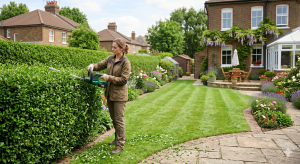
Why Timing Matters for Hedge Trimming
Correct timing directly impacts hedge performance:
- Encourages dense, compact growth rather than thin, leggy branches
- Prevents stress and dieback caused by cutting at the wrong time
- Maintains strong structure and long-term shape
- Supports flowering cycles in ornamental hedges
- Ensures compliance with UK wildlife protection laws
In Woolwich’s relatively mild climate, hedges grow quickly, making timing even more critical for control and structure.
The Best Time of Year to Trim Hedges in Woolwich
Primary Trimming Season: Late Spring to Late Summer (May–August)
This is the optimal maintenance window for most hedges in Woolwich.
During this period:
- Plants are in active growth mode
- Cuts heal faster and stimulate new shoots
- Hedges can be shaped cleanly and evenly
Best practice:
Trim after each growth flush (typically late May and again mid–July).
Structural Pruning Window: Late Winter (February–Early March)
This is the most important time for major pruning and reshaping.
Benefits include:
- Minimal stress while plants are dormant
- Strong regrowth once spring begins
- Ability to correct uneven or overgrown hedges
This is the time to:
- Reduce height
- Cut back overgrown sections
- Re-establish clean lines
Critical UK Law: Hedge Cutting and Bird Nesting Season
In the UK, hedge trimming must comply with wildlife protection laws.
Key Rule:
Avoid cutting hedges between March and August unless you are certain no birds are nesting.
Why this matters:
- Hedges provide essential nesting habitats
- Disturbing active nests is illegal
- Urban areas like Woolwich have dense bird populations
Best practice:
Always inspect hedges thoroughly before trimming during spring and summer.
Month-by-Month Hedge Trimming Calendar (Woolwich Specific)
January – February
- Ideal for heavy pruning and renovation
- Cut back overgrown hedges hard if needed
- Avoid frozen or waterlogged conditions
March – April
- Growth begins
- Avoid trimming due to nesting season
- Light shaping only if necessary
May – June
- First major trim after spring growth flush
- Focus on shaping and density
- Check carefully for wildlife
July – August
- Second trim to maintain form
- Ideal for formal hedges
- Avoid trimming during extreme heat
September
- Optional final light trim
- Helps maintain neatness over winter
October – December
- Stop trimming
- Prepare hedges for dormancy
- Avoid frost-damaged cuts
Hedge Trimming by Type (Detailed UK Guide)
Formal Hedges (Box, Privet, Yew)
- Require 2–3 trims per year
- Maintain sharp lines and flat surfaces
- Trim little and often for best results
Informal Hedges (Mixed Native, Flowering)
- Trim once per year after flowering
- Maintain natural shape
- Avoid excessive cutting
Fast-Growing Hedges (Leylandii, Laurel)
- Need frequent trimming (up to 3 times yearly)
- Control height early to prevent unmanageable growth
- Never cut beyond green foliage
Advanced Hedge Trimming Techniques for Better Results
Tapered Cutting (Professional Method)
Always trim hedges so the base is wider than the top. Benefits:
- Improves sunlight exposure
- Prevents thinning at the bottom
- Creates a stronger overall structure
Timing the Cut with Growth Cycles
- Trim after new growth hardens slightly
- Avoid cutting during rapid soft growth
- This reduces stress and improves regrowth quality
Cutting Height Strategy
- Never remove more than one-third of growth at once
- Gradual shaping produces thicker hedges over time
Tools for Efficient Hedge Trimming
Using the right tools significantly improves results:
- Electric hedge trimmers for speed and precision
- Manual shears for detailed shaping
- Loppers for thick branches
- Extension trimmers for tall hedges
Always keep blades sharp to ensure clean cuts and prevent disease.
Common Hedge Trimming Mistakes (Woolwich Gardens)
Avoid these frequent issues:
- Cutting during nesting season without inspection
- Allowing hedges to grow too tall before trimming
- Creating flat tops with narrow bases
- Cutting into old wood on conifers
- Trimming too late before winter frost
Signs Your Hedge Needs Trimming
- New shoots extending beyond the shape
- Uneven or untidy appearance
- Reduced density at the base
- Excessive height blocking light
Regular maintenance prevents major corrective pruning later.
Expert Hedge Maintenance Schedule (Woolwich Gardens)
For best results, follow this annual plan:
- February: Hard prune and reshape
- Late May: First maintenance trim
- Mid–July: Second trim
- September (optional): Final tidy
This schedule ensures year-round structure and healthy growth.
Final Verdict: Best Time to Trim Hedges in Woolwich
For Woolwich gardens, the most effective hedge trimming strategy is:
- Late winter (Feb–Mar): Major pruning and shaping
- Late spring to summer (May–Aug): Maintenance trimming
- Early autumn (Sept): Optional finishing trim
Following this timing delivers:
- Dense, healthy hedge growth
- Clean, professional garden appearance
- Full compliance with UK wildlife laws